
If you’ve ever had a brilliant creative idea that somehow never made it off the ground, you’re not alone. Maybe you’ve started a dozen projects that fizzled out, or you find yourself constantly chasing the next shiny idea before finishing the last one. As someone who is both multi-passionate and ADHD, I understand this struggle intimately.
The truth is, our brains often tell us we need to get everything done at once. But that all-or-nothing thinking? It’s the very thing holding us back. The solution isn’t working harder or wanting it more. It’s working smarter by breaking your big dreams into small, achievable goals.
Start With What Matters Most
Before you can set meaningful goals, you need clarity on your priorities. What are the main areas of your life that need your attention right now? For some people, this might be two or three things. For others, it could be eight.
I keep a visual board in my office with my eight priority areas displayed where I can see them every day. Why? Because when you close the book on something, it’s easy to forget it exists. Out of sight, out of mind. Getting your priorities in front of you helps you stay focused on what actually matters instead of chasing every interesting idea that comes along.
Take a few minutes to identify your core priorities. Write them down. Draw circles on a board. Create a visual reminder. This foundation will guide every goal you set.

The SMART Framework for Creative Goals
You’ve probably heard of SMART goals before, but let’s apply this framework specifically to creative projects:
- Specific: Don’t say “I want to write poetry.” Say “I want to write 10 poems for a small anthology.” Give your goal a number, a name, a shape.
- Measurable: You need to know when you’ve reached your goal. That number you picked? It becomes your finish line.
- Achievable: Be honest with yourself. Have you done this before? Do you have the skills, tools, and capacity? If you’re trying something new, acknowledge that and adjust your expectations accordingly.
- Relevant: Does this goal align with your priorities and the audience you serve? A guitar teacher creating a course on finger positions makes sense. A guitar teacher creating content about stage footwear? Maybe not the best use of energy right now.
- Time-Based: This is the crucial one. Creatives often resist time constraints because the creative process “isn’t always clean cut.” I get it. But accountability to a timeframe is what transforms a dream into a deadline.
The Banquet Table Analogy
Think of all your ideas as a banquet table filled with delicious food. You have so many things you want to taste, so many creative projects calling your name. But here’s the thing: you can only bite one thing at a time. You can’t shove it all in your mouth at once. That would be overwhelming and, frankly, would give you a stomach ache.
Take one taste at a time. Finish one meal before moving to the next. Your creative appetite isn’t going anywhere. The other ideas will still be there when you’re ready for them.
Why Small Goals Actually Work
Small goals work because of three powerful principles:
- They’re achievable. Like Legos, each small piece is one decision that connects to the next. Every brick you place moves you forward.
- They’re satisfying. Finishing something is innately, naturally satisfying. Your brain loves the dopamine hit of checking things off.
- Motion builds motivation. You have to keep moving to feel the satisfaction of moving. Small wins create momentum that carries you forward.
I use this principle for everything, including savings goals. My kids and I have travel charts where each jar represents $20. Every time we save that amount, we color one in. Looking at the total cost of a family trip from Hawaii to the mainland feels impossible. But watching those little jars fill up? That feels achievable. That feels good.
Practical Steps to Get Started
- Identify your priorities and get them visually in front of you.
- Pick ONE specific project to focus on, even if you have ten ideas.
- Make it SMART: specific, measurable, achievable, relevant, and time-based.
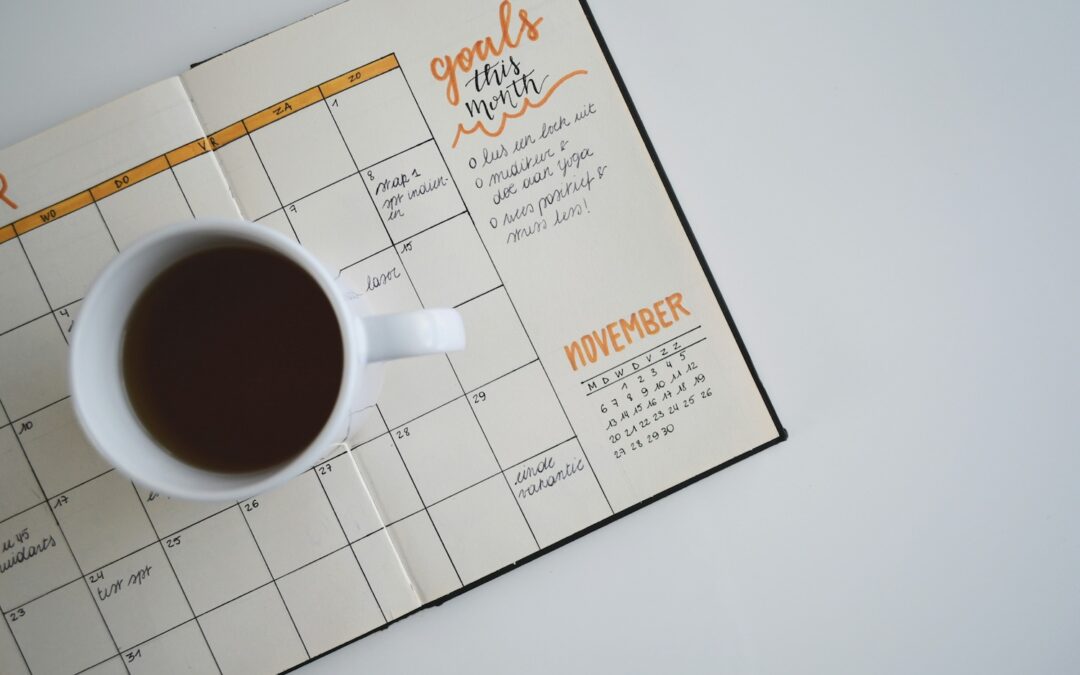
- Schedule it. Actually put time in your calendar. I use Google Calendar’s task function to check things off as I go.
- Break it down further if needed. If writing one poem feels daunting, commit to one stanza today.
- Create visual progress trackers so you can see how far you’ve come.
The Permission to Keep Going
Sometimes we need to be reminded of the simplest truths to move forward confidently. Yes, you’re going to run into self-doubt. Yes, it might not go as fast as you’d like. But here’s what I want you to remember: no one else is pressuring you for this. This is your creative work, your timeline, your journey.
When I started the Practical Family blog back in 2016, it was rough. I didn’t know what to write or if it would be relevant to anyone. But I hit publish anyway. And once it was done and out of my hands, I stopped ruminating on whether it was perfect.
Perfectionism kills creativity and motivation. But small goals? Small goals give you permission to keep going, one bite at a time.
Write on.
Ready to break free from the overwhelm?
Here’s how we can work together
For overwhelmed mothers

Enough Mom
You’re exhausted from trying to be everything to everyone while feeling like you’re failing at all of it. The Enough Mom Podcast and community help you untangle the mental clutter, trust yourself again, and rediscover who you are beyond the endless to-do list. It’s real talk for moms who are done with the comparison game and ready to give themselves some grace.
For writers and entrepreneurs

JB Digital Consulting
That message you’ve been sitting on? The one you think about while folding the hundredth load of laundry? It’s time to stop treating it like a someday dream and start turning it into something real. I help writers and creative entrepreneurs clarify their message, build their platform, and communicate with confidence. Because the world needs your voice, and you need a strategy that actually works.
For event coordinators
Speaking & Teaching
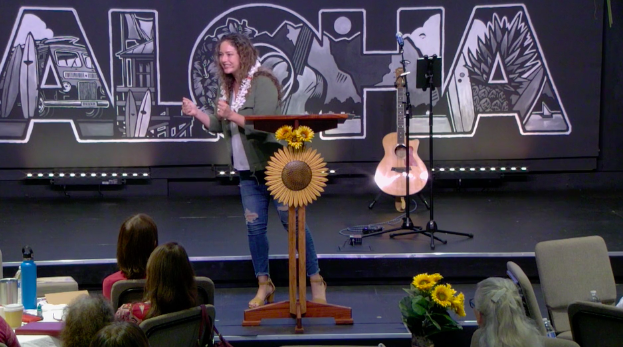
Your audience needs someone who’ll get real about the hard stuff—parenting struggles, mental health, feeling stuck and overwhelmed—with compassion, humor, and zero judgment. I show up ready to help women untangle their thoughts, trust themselves, and step into the fullness of who they really are. Think coffee date with your most honest friend who actually gets it.